The Evolution and Mechanics of the Slot Machine: A Professional Analysis
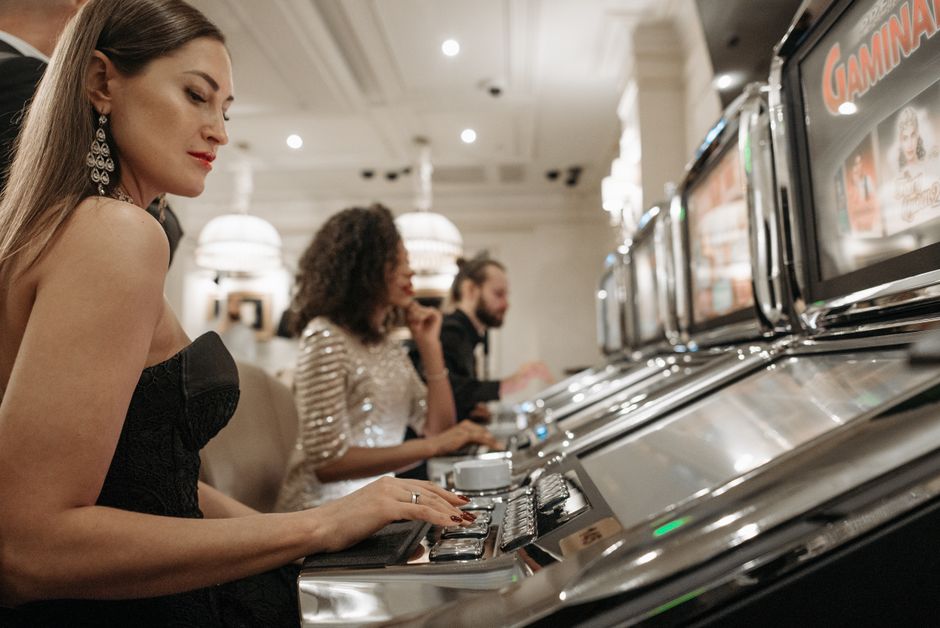
The term "slot" often evokes images of flashing lights, spinning reels, and the sound of coins cascading into a metal tray. Yet, beneath the surface of this iconic gambling device lies a complex interplay of mathematics, psychology, and engineering that has evolved dramatically over the past century. In this professional analysis, we examine the origins, mechanics, regulatory landscape, and future trajectory of slot machines, providing a comprehensive understanding for industry professionals, researchers, and informed enthusiasts alike.
The Historical Origins of Slot Machines
The first true slot machine, the Liberty Bell, was invented in 1895 by Charles Fey in San Francisco. This mechanical device featured three spinning reels and five symbols: hearts, diamonds, spades, horseshoes, and the Liberty Bell. Unlike modern machines, the Liberty Bell paid out in gum or tokens rather than cash, circumventing early anti-gambling laws. The device's simplicity and immediate feedback loop created a new form of entertainment that quickly spread across saloons and barbershops. By the early 20th century, slot machines had become a staple of American amusement, though their association with gambling led to periodic crackdowns. The evolution from mechanical to electromechanical systems in the 1960s, pioneered by Bally Technologies, introduced more complex payout structures and the iconic lever. Today, the industry has shifted overwhelmingly to digital platforms, with video slots and online iterations dominating the market, but the fundamental appeal of unpredictability and reward remains unchanged.
Core Mechanics and Mathematics
Modern slot machines operate on the principle of random number generation (RNG). A computer chip inside the machine continuously generates numbers, even when the machine is not being played. When a player presses a button or pulls a lever, the RNG selects a random number that corresponds to a specific combination of symbols on the virtual reels. This process happens in milliseconds, ensuring that each spin is independent and unpredictable. The probability of hitting a specific combination is determined by the machine's paytable and the number of virtual stops per reel. For example, a classic three-reel slot with 10 stops per reel yields 1,000 possible combinations (10^3). However, modern video slots often feature 5 reels with hundreds of virtual stops, creating millions of possible outcomes. The house edge, typically ranging from 2% to 15%, is built into the payout structure. Casinos and game developers carefully calibrate these odds to ensure profitability while maintaining player engagement. The return-to-player (RTP) percentage, often published by regulated operators, represents the theoretical long-term payout to players. A slot with a 96% RTP theoretically returns $96 for every $100 wagered over infinite play. However, short-term variance means individual sessions can deviate significantly.
Psychological Design and Player Engagement
Slot machines are engineered to maximize player engagement through a combination of sensory stimuli and behavioral psychology. The concept of "near misses"—where two reels show winning symbols and the third just misses—triggers a dopamine response similar to an actual win, encouraging continued play. Variable ratio reinforcement schedules, where wins occur unpredictably, are more effective than fixed intervals at sustaining behavior. This is the same psychological principle underlying social media scrolling and video game loot boxes. Additionally, modern slots employ "losses disguised as wins" (LDWs), where a spin results in a payout less than the original bet but is accompanied by celebratory sounds and animations. Research published in the Journal of Gambling Studies found that LDWs occur in up to 30% of spins on some machines, effectively tricking the brain into perceiving a loss as a gain. The use of vibrant colors, dynamic lighting, and immersive themes—from ancient Egypt to popular films—further captures attention and reduces the perception of time spent. These design elements are not accidental; they are the product of extensive user testing and cognitive research.
Regulatory Framework and Responsible Gaming
Slot machines are among the most heavily regulated gambling devices globally. In jurisdictions like Nevada, New Jersey, and the United Kingdom, gaming authorities require independent testing of RNGs, payout percentages, and security features before machines can be deployed. These regulations aim to prevent fraud, ensure fairness, and minimize problem gambling. For instance, the UK Gambling Commission mandates that all slot machines display the RTP percentage and provide clear information on responsible gambling resources. In recent years, regulators have focused on addressing the potential harms of high-speed, high-variance slots. Measures include mandatory spin speed limits, loss limits, and the removal of features that may confuse players about their wager amounts. The rise of online slots has introduced additional complexities, such as geo-blocking to prevent underage access and cross-border jurisdictional issues. Industry professionals must navigate this evolving legal landscape while balancing commercial interests with ethical responsibilities. Many operators now integrate tools like reality checks (pop-ups showing time and money spent) and self-exclusion programs directly into their digital platforms.
Innovations and Future Trends
The slot industry continues to innovate rapidly. The introduction of skill-based slots, which incorporate elements of video games, represents a shift toward attracting younger demographics. These machines allow players to influence outcomes through mini-games requiring hand-eye coordination or decision-making. However, they still maintain a house edge through design. Another emerging trend is the integration of cryptocurrency and blockchain technology, offering provably fair play and instant payouts. Some online casinos now offer slots with non-fungible token (NFT) rewards, blurring the lines between gaming and collectibles. Augmented reality (AR) and virtual reality (VR) slots are in early stages, promising immersive environments where players can physically interact with reels or walk through a digital casino floor. As technology advances, the line between traditional slot gaming and interactive entertainment will continue to blur. For casino operators and game developers, staying ahead requires constant adaptation to player preferences and regulatory demands, with a focus on sustainable entertainment rather than exploitative mechanics. For those interested in exploring the modern landscape of slot gaming within a regulated and professionally run environment, platforms like slot offer a glimpse into how digital iterations prioritize secure, engaging experiences.